When it comes to getting paid, small businesses in 2026 must carefully choose the right mix of payment methods and options that align with customer expectations and business goals. The right payment stack not only simplifies transactions but also improves customer experience, speeds up cash flow, and boosts conversions.
So, how do you build a Modern Payment System without making your operations complex? In this guide, we’ll explore the best payment options and methods for small businesses in 2026 and how to choose what works best for you.
Payment Methods vs. Payment Options: What’s the Difference?
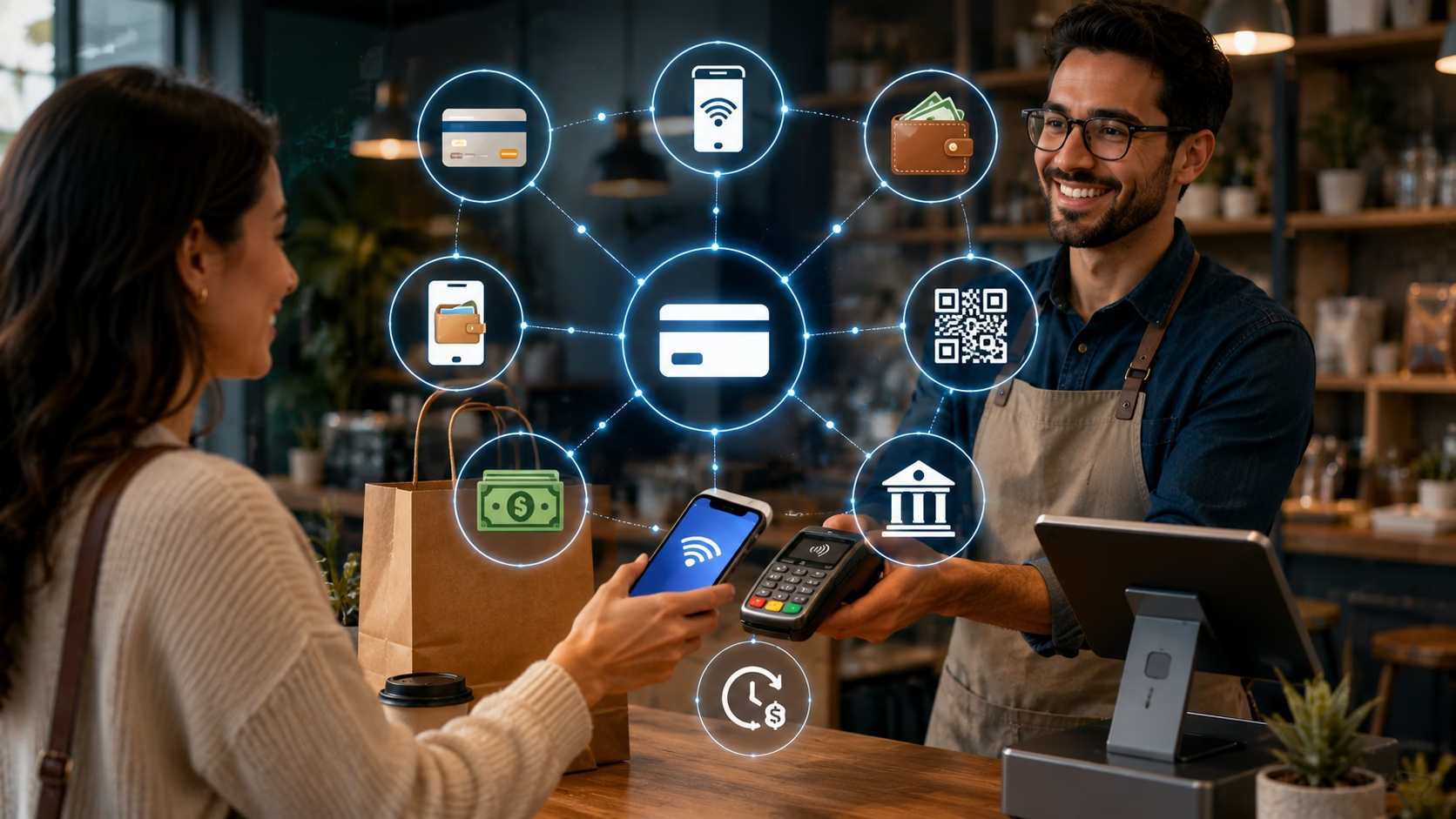
A payment method is the actual way funds are transferred from the customer to the business. Examples include credit cards, debit cards, UPI, digital wallets, and bank transfers.
A payment option, on the other hand, is the interface or format used to accept those methods. This includes online checkout pages, POS Machines, Remuneration links, QR codes, and invoicing systems.
Understanding this difference helps businesses build a flexible and efficient payment system.
Why Offering Multiple Payment Options Matters
1. Increased Conversions
Customers prefer flexibility. If their preferred method isn’t available, they may abandon the purchase. Offering options like UPI, cards, and wallets ensures higher checkout completion rates.
2. Better Customer Experience
A smooth and fast Remuneration process improves satisfaction and builds trust. Features like one-click checkout or QR payments make transactions effortless.
3. Faster Cash Flow
Digital payments reduce delays compared to traditional methods like checks. Faster settlements mean better liquidity for small businesses.
4. Reduced Late Payments
Payment links, automated reminders, and recurring billing help ensure customers pay on time without manual follow-ups.
5. Competitive Advantage
Businesses offering modern Solutions stand out. A seamless checkout experience can be the deciding factor for customers.
Best Payment Methods by Business Type
For Online Businesses
- Credit & Debit Cards
- Digital Wallets (Google Pay, PayPal)
- BNPL (Buy Now Pay Later)
- UPI & Bank Transfers
For Retail & In-Person Stores
- Tap-to-Pay / Contactless
- POS Card Machines
- QR Code Payments
- Cash
For Service-Based Businesses
- Payment Links
- Invoicing
- Bank Transfers (UPI/ACH)
- Recurring Billing
For Mobile-First Businesses
- Digital Wallets
- Saved Card Details
- UPI Payments
- Mobile-optimized checkout
How to Choose the Right Payment Mix
Step 1: Identify Your Sales Channels
Are you selling online, offline, or both? Your compensation setup should match your business model.
Step 2: Define Priorities
Focus on:
- Cost efficiency
- Speed of payouts
- Customer preferences
- Fraud protection
Step 3: Compare Payment Providers
Look for:
- Transparent pricing
- Easy integration
- Strong security
- Good customer support
Understanding Costs & Fees
Most digital payments come with processing fees. Here’s what to expect:
- Credit Cards: 1.5%–3.5% per transaction
- Debit Cards: Lower than credit cards
- UPI: Often free or minimal charges
- Wallets: Similar to card fees
- BNPL: Higher fees due to credit risk
How to Reduce Costs
- Promote low-cost methods like UPI
- Optimize checkout to reduce failed payments
- Negotiate rates with providers
- Monitor hidden charges
Security & Fraud Prevention
Security is critical in 2026. Customers expect safe transactions.
Key Measures
- PCI compliance
- Tokenization
- Secure payment gateways
- Limited data access
Fraud Prevention Tools
- OTP authentication
- CVV & address checks
- AI-based fraud detection
- Transaction limits
Strong security not only protects your business but also builds long-term customer trust.
Common Mistakes to Avoid
1. Offering Too Few Options
Limited Remuneration methods can lead to lost sales.
2. Offering Too Many Options
Too many choices can overwhelm customers and slow down checkout.
3. Choosing the Wrong Payment Processor
A poor-fit provider can increase costs and reduce efficiency.
4. Lack of Transparency
Customers should clearly see available remuneration options before checkout.
Implementation Checklist
- Set up a payment processor account
- Choose key payment methods (UPI, cards, wallets)
- Integrate checkout or POS system
- Enable fraud protection tools
- Test transactions before going live
Why Choose SelectivePay?
SelectivePay is a reliable payment solution designed to simplify transactions for small businesses in 2026. It offers seamless integration, multiple payment Methods, including cards, UPI, and digital wallets, along with advanced security features. With transparent pricing, fast settlements, and user-friendly tools, SelectivePay helps businesses improve cash flow, enhance customer experience, and scale operations efficiently.
Final Thoughts
In 2026, the best payment strategy for small businesses is all about flexibility, speed, and security. Customers expect seamless, fast, and reliable payment experiences across all channels. By offering the right mix of remuneration methods and options, you can improve customer satisfaction, increase revenue, and stay ahead of the competition. The key is to keep things simple, cost-effective, and aligned with how your customers prefer to pay.
Frequently Asked Questions (FAQs)
1. What is a payment method?
Ans: It is the way customers transfer money, such as cards, UPI, or wallets.
2. What is a payment option?
Ans: It is the interface used to accept payments, like POS systems or online checkout.
3. Why should small businesses offer multiple payment methods?
Ans: To increase conversions and improve customer experience.
4. Which payment methods are best for online businesses?
Ans: Cards, digital wallets, UPI, and BNPL options.
5. What payment options are ideal for retail stores?
Ans: POS machines, QR codes, contactless payments, and cash.